
Gilgit-Baltistan culture represents the beauty, history, and traditions of northern Pakistan. Moreover, Gilgit-Baltistan is one of the most beautiful regions of Pakistan. It is famous for its towering mountains, peaceful valleys, colorful festivals, and rich cultural heritage.
TheGilgit Baltistan culutre reflects the history and lifestyle of its local communities. For example, the traditional music of Hunza and the cultural heritage of Baltistan make every valley special. Furthermore, at GB Soghat, we celebrate the regional flavors, traditions, and products that make this beautiful region unique.
History and Heritage of Gilgit-Baltistan Culture
Gilgit-Baltistan has a long history influenced by ancient trade routes, local kingdoms, and neighboring cultures. Historically, the Silk Road connected this region with Central Asia, China, and South Asia. Today, local communities continue to preserve their traditions through food, festivals, music, and handicrafts. Moreover, these traditions connect younger generations with their cultural roots.
Traditional Languages of Gilgit-Baltistan
Gilgit-Baltistan is home to several languages. Additionally, these languages reflect the region’s cultural and ethnic diversity.
Some commonly spoken languages include:
- Shina: Widely spoken in Gilgit and surrounding areas.
- Burushaski: An important language of Hunza and Nagar.
- Wakhi: Spoken in Upper Hunza and nearby communities.
- Balti: Commonly spoken in Baltistan.
- Khowar: Spoken in parts of Ghizer.
- Urdu: Used for communication among different communities.
Furthermore, these languages help preserve local stories, customs, and cultural identities.
Traditional Foods of Gilgit-Baltistan Culture
Food plays an important role in local traditions. Moreover, traditional dishes reflect the lifestyle, climate, and agricultural heritage of the region.
Some popular regional foods include:
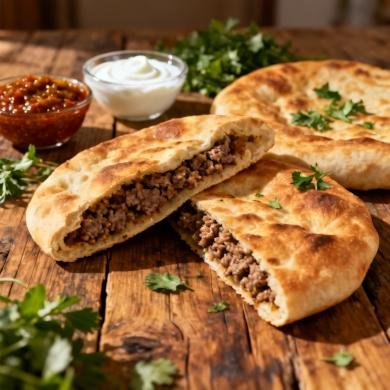
Chapshuro: A Famous Traditional Food
Chapshuro is a traditional meat-filled pastry popular in Hunza. It contains seasoned meat inside baked dough. Moreover, local families often prepare this delicious dish for gatherings and special occasions.
Mamtu: A Traditional Balti Dish
Mamtu is a traditional steamed dumpling commonly enjoyed in Baltistan. People usually prepare it with meat and serve it with sauces. In addition, it is a popular dish during family meals and celebrations.
Harissa: A Local Traditional Dish
Harissa is a traditional dish made with meat and grains. Furthermore, people enjoy this warm and filling food, especially during colder months.
Traditional Apricot Products of Gilgit-Baltistan
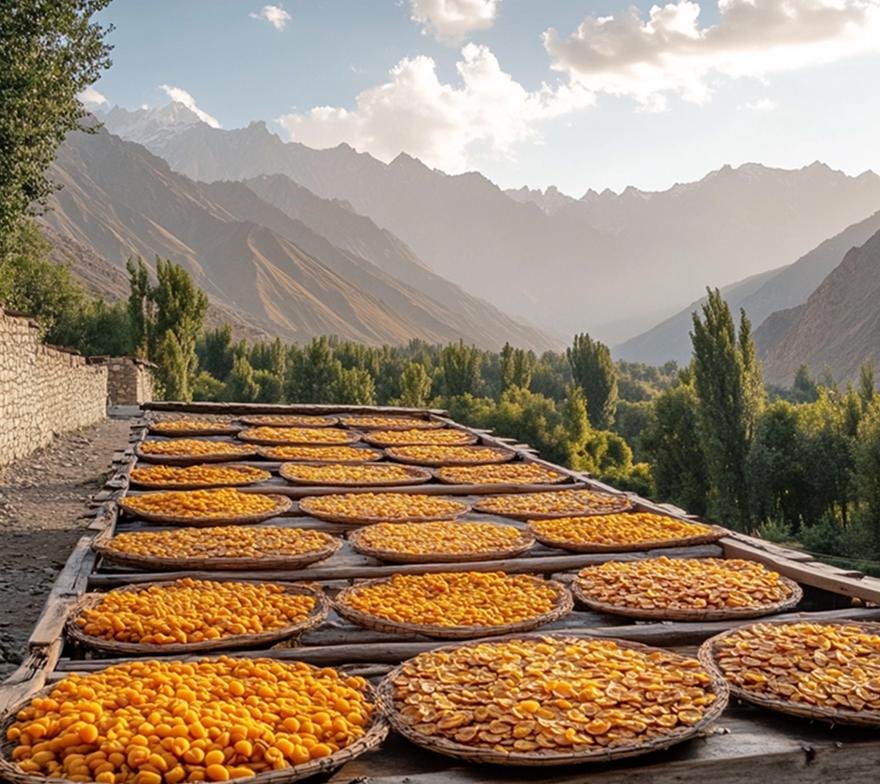
Apricots hold an important place in the food traditions of Gilgit-Baltistan. For example, people enjoy fresh and dried apricots, apricot oil, and other homemade products. Additionally, local families use apricots in different traditional recipes.
Traditional Clothing and Cultural Heritage
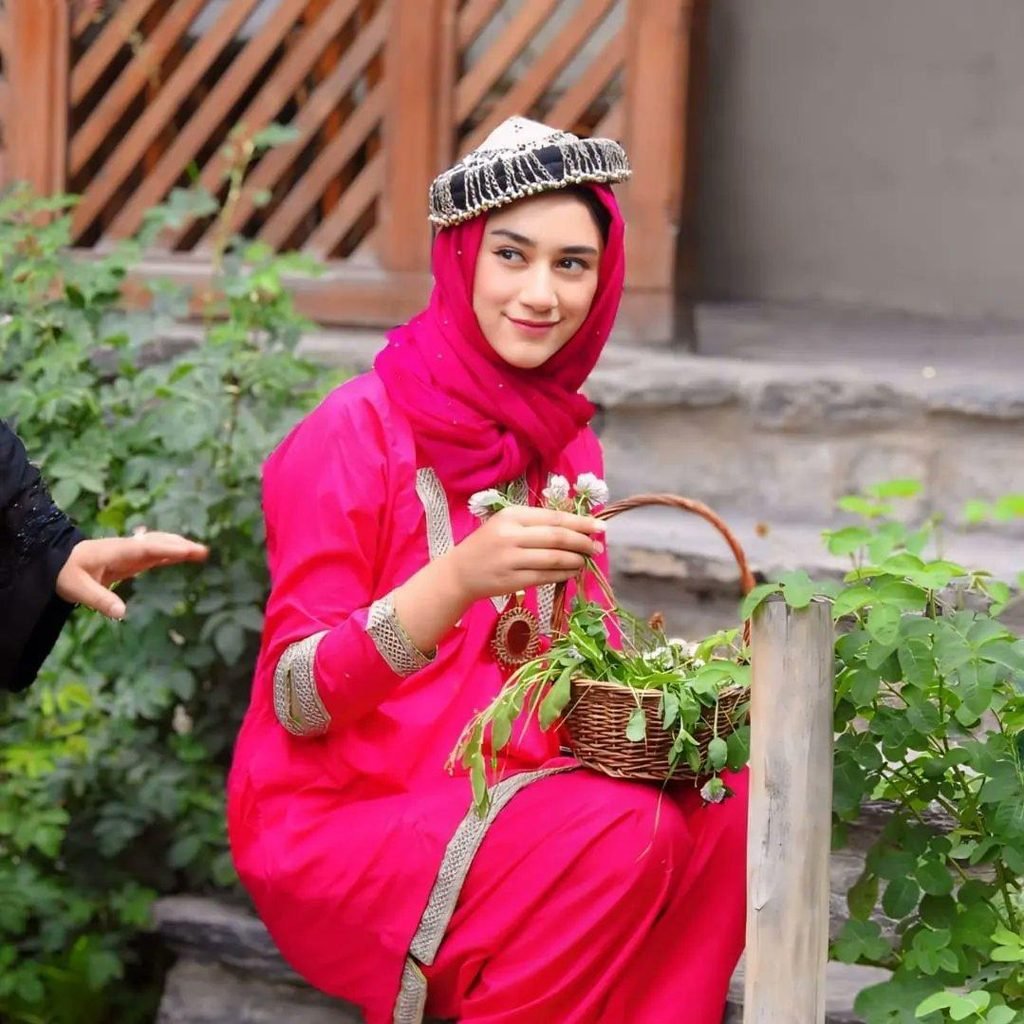
Traditional clothing reflects the identity and heritage of local communities. However, clothing styles can vary depending on the valley, culture, and personal preferences.
Traditional clothing often includes:
- Woolen caps and traditional headwear.
- Warm woolen shawls and coats.
- Traditional embroidered dresses.
- Handmade woolen garments.
- Regional clothing accessories.
Moreover, local artisans help preserve traditional clothing styles through handmade designs and embroidery.
Famous Cultural Festivals of Gilgit-Baltistan
Festivals bring communities together and help preserve local traditions. Additionally, Gilgit-Baltistan celebrates several cultural and seasonal events throughout the year.
Ginani: A Traditional Harvest Festival
Ginani is a traditional harvest festival celebrated in parts of Hunza. It marks the beginning of the harvest season. Moreover, local communities celebrate agricultural traditions through food, music, and gatherings.
Navroz: A Cultural Celebration
Navroz is celebrated by some communities in the region. It represents renewal, fresh beginnings, and cultural traditions. Furthermore, families celebrate this occasion with traditional food and social gatherings.
Shandur Polo Festival
The Shandur Polo Festival takes place at Shandur Pass, between Gilgit-Baltistan and Chitral. It attracts visitors who enjoy traditional polo, music, and mountain scenery. In addition, this festival highlights the region’s passion for traditional sports.
Traditional Music and Dance of Gilgit-Baltistan
Music is an important part of cultural celebrations in Gilgit-Baltistan. For example, local communities perform traditional songs and dances during weddings, festivals, and special events.
Moreover, these performances help younger generations learn about their heritage. As a result, traditional music and dance continue to connect communities with their cultural roots.
Traditional Handicrafts and Local Art
Local handicrafts represent the creativity and skills of regional communities. Furthermore, many artisans create handmade products using traditional techniques.
Popular handicrafts include:
- Handmade woolen carpets and rugs.
- Traditional embroidery.
- Wooden crafts and decorations.
- Handmade caps and accessories.
- Local gemstone products.
In addition, these handmade items reflect the artistic traditions and skills of local artisans.
Gilgit-Baltistan Culture and Dry Fruit Traditions
Apricots, apples, cherries, almonds, and walnuts are associated with the region’s agricultural heritage. Moreover, local families enjoy dried fruits as healthy snacks and use them in different homemade recipes.
At GB Soghat, visitors can explore traditional dry fruits. Furthermore, they can discover products inspired by the natural flavors and food traditions of Gilgit-Baltistan.
Hospitality and Lifestyle of Local Communities
Hospitality is an important part of everyday life in Gilgit-Baltistan. For example, local families often welcome guests with traditional food, tea, and friendly conversation.
Moreover, these welcoming values make the region special for visitors. As a result, tourists can experience local lifestyles, customs, and traditions more closely.
Explore Gilgit-Baltistan Culture with GB Soghat
Gilgit-Baltistan offers a beautiful combination of natural landscapes, traditional foods, local languages, festivals, and handicrafts. Furthermore, its cultural diversity makes the region a wonderful destination for people interested in history and traditions.
At GB Soghat, we aim to introduce visitors to the regional products and cultural traditions of northern Pakistan. Therefore, explore our website to discover local dry fruits and learn more about the heritage of Gilgit-Baltistan.
Finally, celebrate local traditions and discover the delicious flavors, cultural heritage, and natural beauty of Gilgit-Baltistan with GB Soghat.